





Why Summer Air Can Feel Tough on Babies

Summer is often associated with sunshine, outdoor adventures, and family vacations. But for babies, the season can bring a unique set of environmental challenges inside the home.
Between rising temperatures, air conditioning, ceiling fans, open windows, and changing routines, the nursery environment can feel very different from one day to the next. While these changes are completely normal, they can sometimes affect overall comfort during sleep and rest.
Understanding how summer air behaves indoors can help parents create a nursery environment that feels more comfortable throughout the season.
Summer Doesn't Always Mean Comfortable Indoor Air
Many parents assume dry indoor air is only a winter issue. In reality, summer can introduce its own challenges.
Air conditioning systems help cool the home, but they also remove moisture from the air as part of the cooling process.
Depending on your climate and how often your AC runs, indoor humidity levels can drop lower than expected. The U.S. Environmental Protection Agency (EPA) generally recommends maintaining indoor humidity between 30% and 50% for comfort and indoor air quality.
When humidity drops too low, indoor air can feel drier, even when temperatures are comfortable. According to the Mayo Clinic, dry indoor air is commonly associated with issues such as dry skin, dry lips, and irritated nasal passages.
For babies, whose skin and airways are naturally more delicate, maintaining a comfortable indoor environment becomes especially important.
How Air Conditioning Can Change Nursery Comfort
Air conditioning is essential during hot weather, but constant cooling can affect the feel of the nursery.
Parents may notice that rooms feel cooler yet drier after the AC has been running for extended periods. In some homes, airflow from vents can also create temperature differences throughout the room.
This doesn't mean air conditioning should be avoided. Rather, it highlights the importance of paying attention to the overall nursery environment, not just the thermostat setting.
If your baby's room feels cool but their skin, lips, or nose seem dry, humidity may be worth monitoring alongside temperature.
Fans Can Increase Air Movement
Ceiling fans and portable fans are another summer staple.
Fans don't remove moisture from the air, but they do increase air circulation. Increased airflow can sometimes make skin feel drier because moisture evaporates more quickly from the skin's surface.
For nurseries, experts generally recommend avoiding direct airflow onto a sleeping baby while using fans to help maintain comfortable room circulation.
The goal is gentle air movement throughout the room rather than a constant stream of air directed toward the crib.
Heat, Sweat, and Hydration Matter Too
Summer outings often mean more time outdoors, whether that's a walk in the stroller, a trip to the park, or a family vacation.
Warm weather naturally increases fluid loss through sweating. After spending time outside, babies may return to an indoor environment that feels significantly cooler and drier.
These rapid shifts between outdoor heat and indoor cooling can sometimes make the nursery environment feel less consistent than it does during other seasons.
Creating a calm bedtime routine and maintaining a stable sleep environment can help make transitions between outdoor and indoor settings feel more comfortable.
Travel Can Change Everything
Many families travel more during summer than any other time of year.
Hotels, vacation rentals, and guest rooms often have different temperature and humidity conditions than home. Air conditioning systems may run continuously, windows may remain closed, and room environments can vary dramatically from one destination to another.
If your baby seems less settled while traveling, the room environment may be one of several factors contributing to the change in routine.
When possible, maintaining familiar sleep cues — including sleep schedules, bedding, and room conditions — can help support consistency.
What Is a Comfortable Humidity Level for a Nursery?
Many pediatric and indoor air quality resources suggest maintaining indoor humidity within a moderate range.
Humidity that is too low can contribute to a dry indoor environment. Humidity that is too high can encourage moisture-related issues such as mold growth.
A simple hygrometer can help parents monitor nursery humidity throughout the year, especially during seasons when HVAC systems are running frequently.
Creating a More Comfortable Summer Nursery
Small adjustments can often make a meaningful difference:
- Monitor nursery temperature and humidity levels.
- Avoid placing cribs directly in front of AC vents or fans.
- Keep airflow gentle rather than direct.
- Maintain consistent bedtime routines when traveling.
- Use blackout curtains to reduce heat gain during the day.
- Ensure the nursery remains comfortably ventilated.
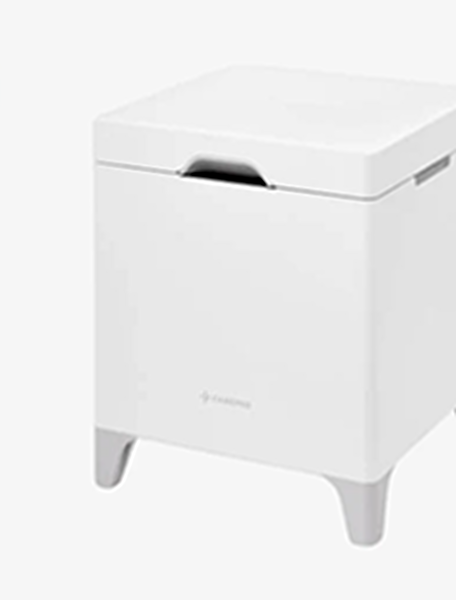
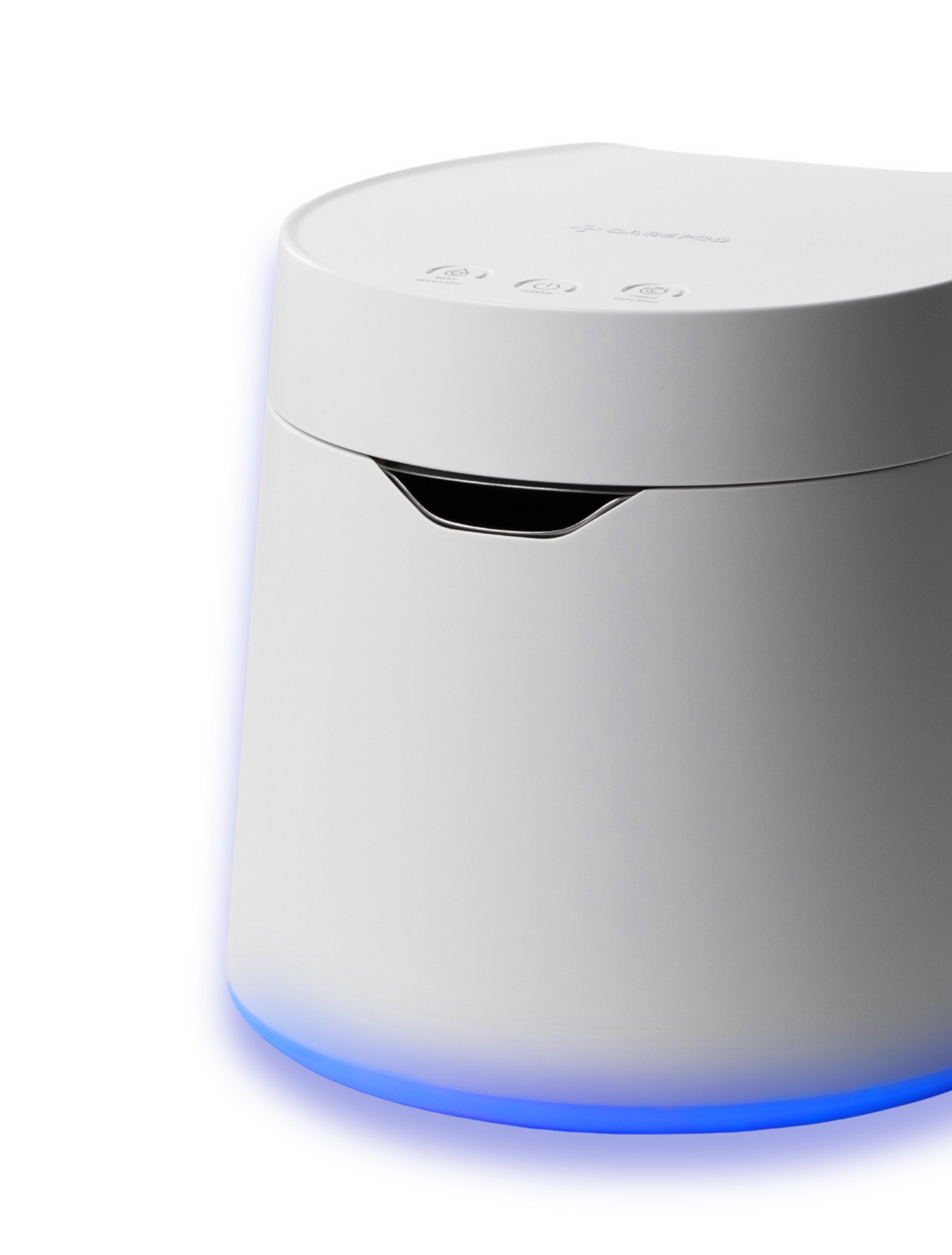
- Consider adding moisture to the air with a humidifier if indoor humidity regularly falls below recommended levels.
A Thoughtful Approach to Nursery Air
Summer comfort isn't just about keeping the nursery cool.
Between heat outdoors and constant air conditioning indoors, nursery environments can shift throughout the day in ways parents may not immediately notice.
That’s why creating a comfortable nursery during summer goes beyond temperature alone. Paying attention to humidity, airflow, and overall room comfort can help support a calmer, more balanced environment for your baby throughout the season.